
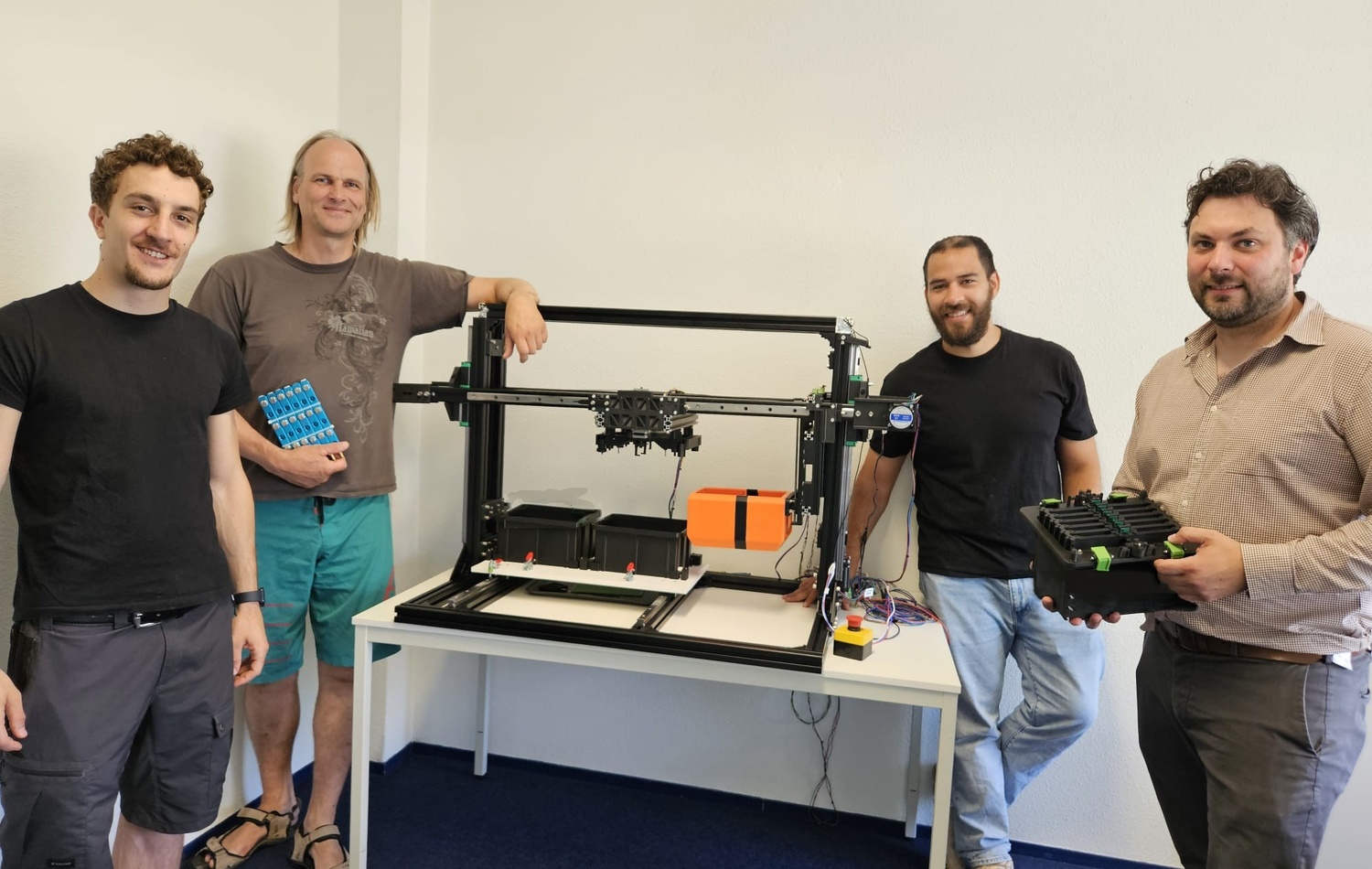
As construction sites and other industrial locations transition towards emission-free operations, reliable off-grid power is becoming increasingly important, particularly where electricity grid capacity is limited. Through the NL Space Campus Voucher Arrangement, ZemQuest partnered with fellow NL Space Campus company Stellar Space Industries to develop a demonstration machine for its aluminium fuel cell technology, helping validate a key innovation and bringing the concept closer to practical industrial use.
Powering the transition to emission-free worksites
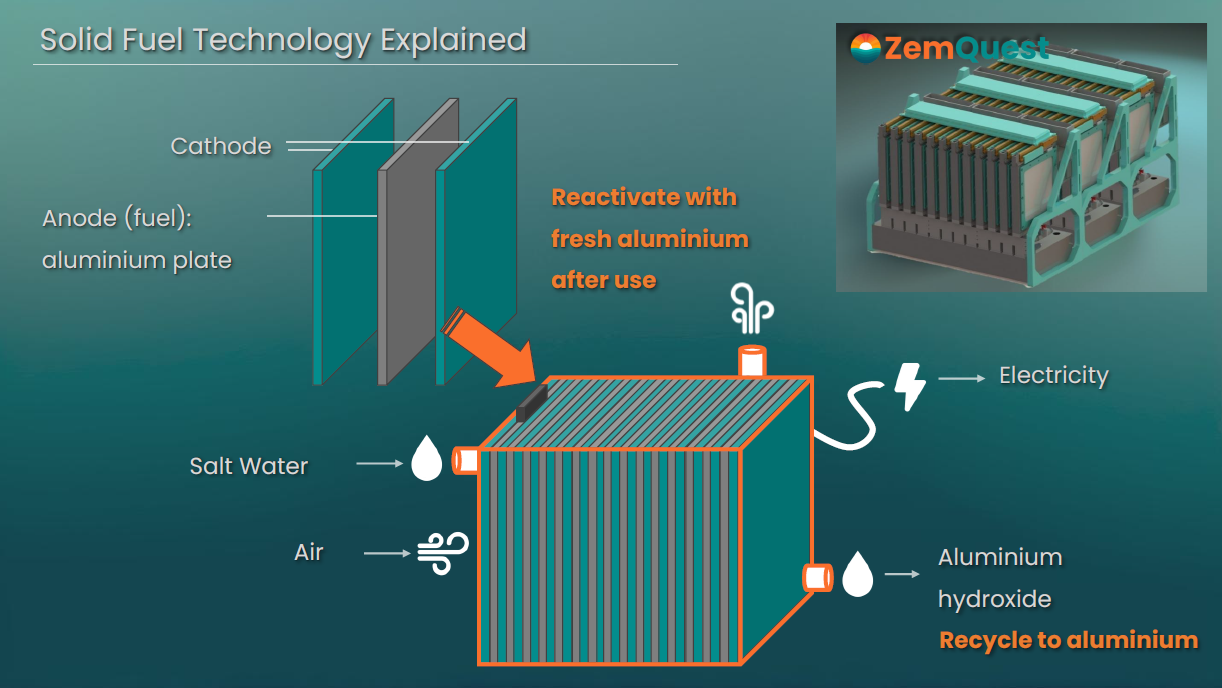
ZemQuest is developing aluminium fuel cell technology for applications that require large amounts of energy away from the electricity grid or in locations where electricity grid capacity is insufficient to support high energy demand.
“We’re tackling off-grid electrification,” explains Michiel Kruijff of ZemQuest. “Today, off-grid doesn’t only mean remote locations. It also means places where there’s a grid connection, but you simply can’t get enough power to charge batteries.”
Many companies currently rely on large lithium-ion batteries that need to be transported off-site for charging every day. According to Michiel, this creates significant logistical challenges and additional costs.
“If you can put much more energy into one box, you only need to transport batteries during the weekend instead of every day,” he says. “That gives much more seamless operation at construction sites.”
Although construction is ZemQuest’s first target market, the company also sees opportunities in shipping, ports, mining and agriculture, where heavy equipment requires reliable off-grid power.
The technology builds on a battery concept originally designed for NASA in the 1980s. ZemQuest adapted that original concept by redesigning the fuel cell so it could be rapidly reactivated on site, enabling continuous use without the need to replace the entire battery after a single cycle.
Demonstrating rapid on-site battery reactivation
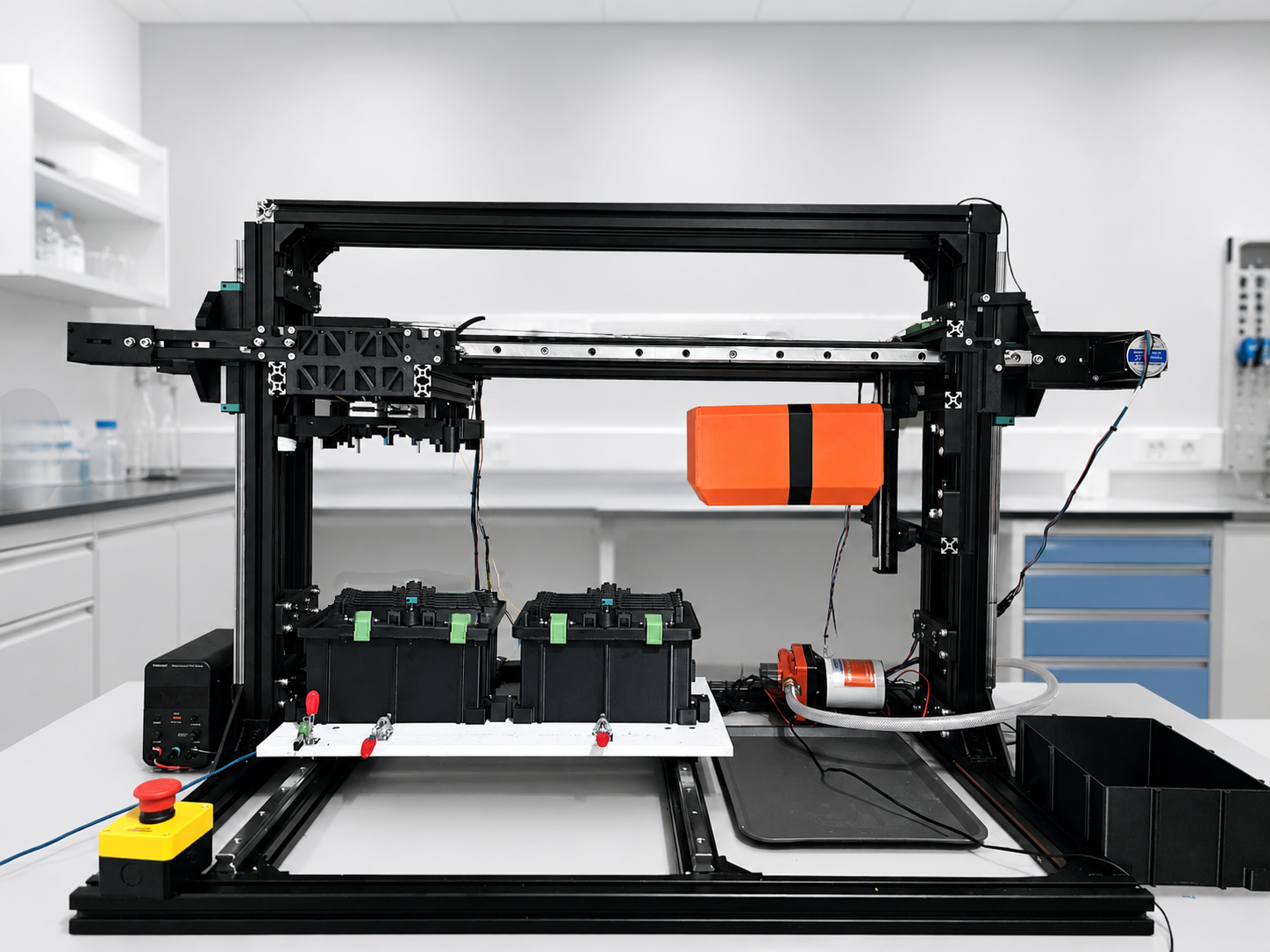
A key part of this redesign is a rapid aluminium battery reactivation mechanism that makes it possible to automate it on-site rather than in a dedicated reactivation facility.
The next challenge was to demonstrate that this process could work reliably outside the laboratory. Through the NL Space Campus Voucher Arrangement, ZemQuest received an Advisory Voucher to collaborate with Stellar Space Industries on designing and building a demonstration machine capable of validating the concept in practice.
According to Michiel, the voucher enabled the company to build the machine at a stage when it would otherwise have focused its resources on further developing the battery itself.
“It made it possible to build this machine, which would have been too costly without the voucher. It allowed us to really showcase what we’re describing.”
Beyond validating the technology, the project also provided valuable insights into the commercial feasibility of the concept.
“We learned that the machine could be designed actually not as complex or expensive as we originally thought,” Michiel says. “That helped us update our business plan and better understand our business case.”
Combining complementary expertise
To develop the demonstration machine, ZemQuest collaborated with Stellar Space Industries, an advanced engineering and precision manufacturing company based at NL Space Campus.
While ZemQuest contributed its expertise in aluminium fuel cell technology, Stellar Space Industries supported the project with precision engineering, design for manufacturing and advanced machining capabilities.
“We were looking for a partner to build these fine mechanisms,” says Michiel. “Stellar has five-axis machining capability and the design experience to create complex parts that are still affordable to manufacture. That was exactly the expertise we were looking for.”
Although the machine’s operation appears straightforward, achieving it required extremely precise mechanical engineering.
“When you have many components working together, even a fraction of a millimetre matters,” Michiel explains. “Those small differences quickly add up, and then the mechanism no longer works. That’s where Stellar’s expertise came in.”
The first prototype successfully demonstrated the concept while also identifying opportunities for further refinement. The team will now focus on making several components stronger, more robust and easier to manufacture as the technology moves closer to a market-ready product.
Growing through collaboration
For Michiel, the project also illustrates the value of collaboration within the NL Space Campus ecosystem.
“It’s good to get to know the other companies on Campus and see what they can do,” he says. “Companies can often help you with something you didn’t expect.”
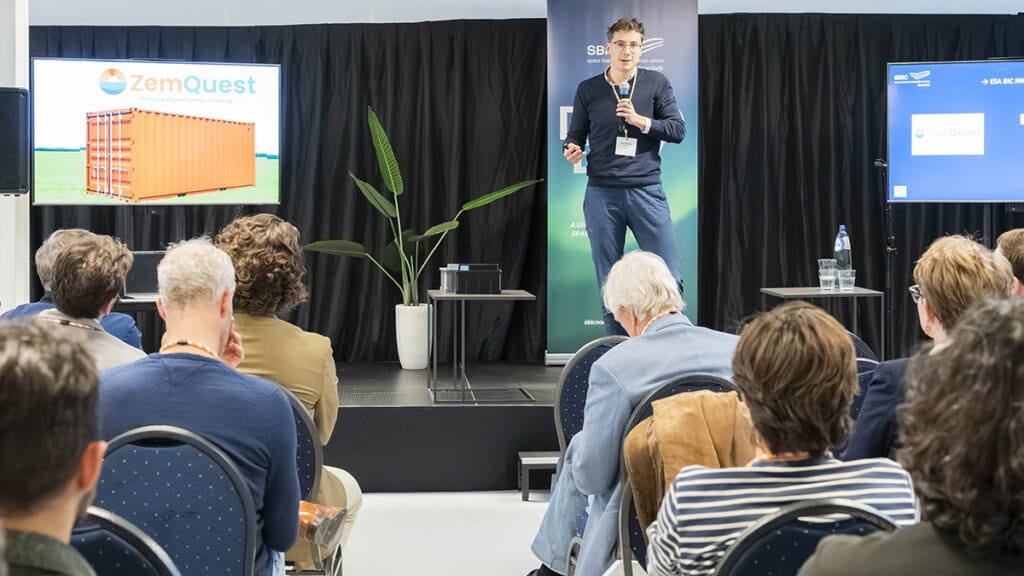
Beyond this project, ZemQuest has collaborated with several companies connected to the wider Campus ecosystem, currently with SolidFlow, while growing as an ESA BIC incubatee. According to Michiel, these collaborations have helped the company solve technical challenges while creating opportunities to exchange knowledge.
These collaborations also led to unexpected knowledge sharing. During the project, interest was raised in software ZemQuest had developed to automate parts of its battery testing process, illustrating how expertise can flow in both directions.
“The voucher makes that kind of collaboration possible,” says Michiel. “Especially for startups like us, it allows you to do something that otherwise you couldn’t do.”
Bringing the technology together
Following the successful demonstration, ZemQuest is now working towards combining its rapid battery reactivation technology with its existing aluminium battery system into a single modular product for industrial applications.’
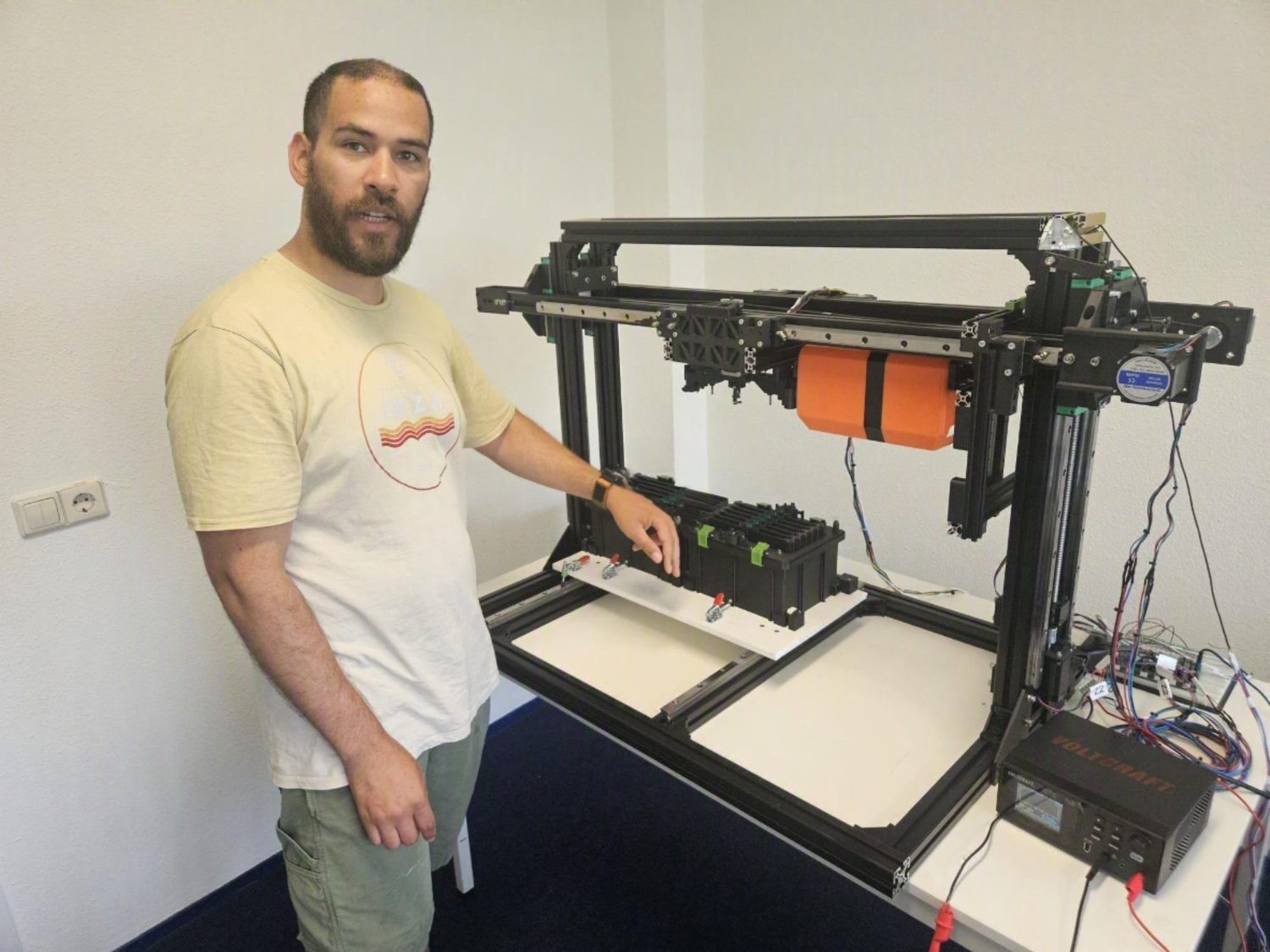
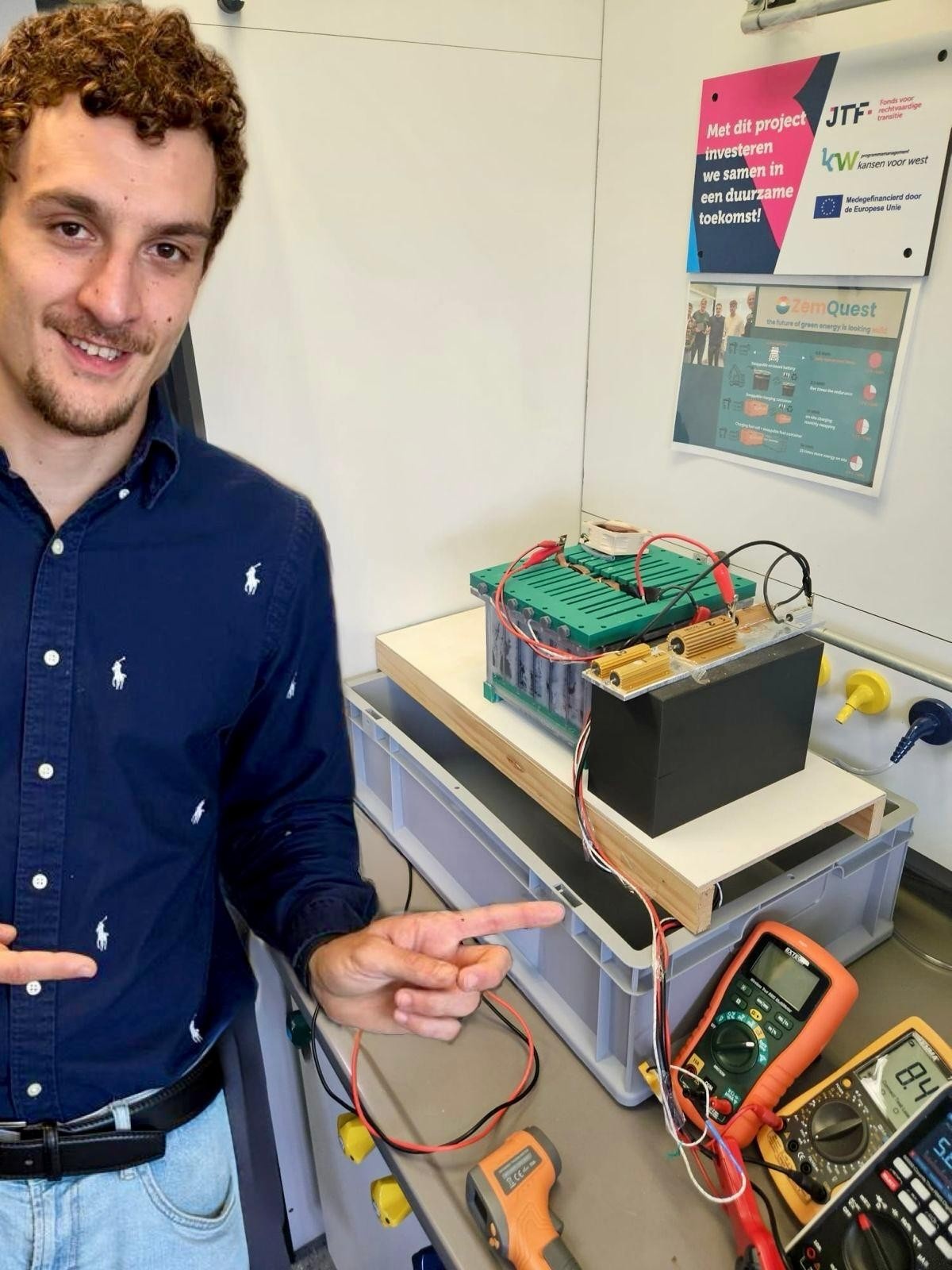
“We now have two demonstrator prototypes, one for each of our key innovations,” says Michiel. “The next step is bringing them together into one product that can power large machines and work sites.”
The company plans to continue working with Stellar Space Industries to further develop the reactivation mechanism while preparing for the next stage of product development.
Could your innovation be next?
The NL Space Campus Voucher Arrangement supports startups and SMEs by providing access to external expertise, facilities and services that accelerate innovation and business growth.
ZemQuest’s collaboration with Stellar Space Industries demonstrates how targeted support can help startups validate new technologies, strengthen their business case and build partnerships that accelerate innovation.
If you’re interested in exploring how the NL Space Campus Voucher Arrangement could support your project, visit the Voucher Arrangement page. For more information or to schedule an intake interview, contact Marc Sandelowsky or Maaike Smelter.