
On 21 April, ESA Phi-Lab NL introduced a new type of event: the Expert Session. It brings together a focused group of experts around a specific technical challenge and creates space to examine it from multiple angles. The Phi-Lab programme, run by NL Space Campus, is hosted at CometLab, a new building on campus designed to support innovation.
This first session centred on the Dunedain Transients project, which explores new ways to detect and study satellites and space debris using fast optical measurements. Rather than following a traditional conference or business agenda, the day focused on open discussion, critical reflection, and problem-solving.
What shaped the session was the mix of participants. The group included professors, researchers, and engineers from leading Dutch universities, alongside technical experts connected to ESA and EUSPA, as well as decision makers from the Dutch space sector. This combination is not common, particularly within a programme linked to ESA Commercialisation. While commercialisation activities often focus on markets and partnerships, this session also engaged directly with physics, measurement limits, orbit prediction, debris models, telescope design, and the technical risks of the project.
The discussion was demanding. The project team presented early ideas and results, and the experts responded critically. They questioned assumptions, identified weak points, and asked what the project could measure that existing methods cannot. The conversation covered improvements in orbit prediction, the use of occultations to better understand objects in orbit, and whether it is possible to extract meaningful information about very small debris that is not well captured in current catalogues. Throughout the session, the project was assessed against both scientific feasibility and operational relevance.
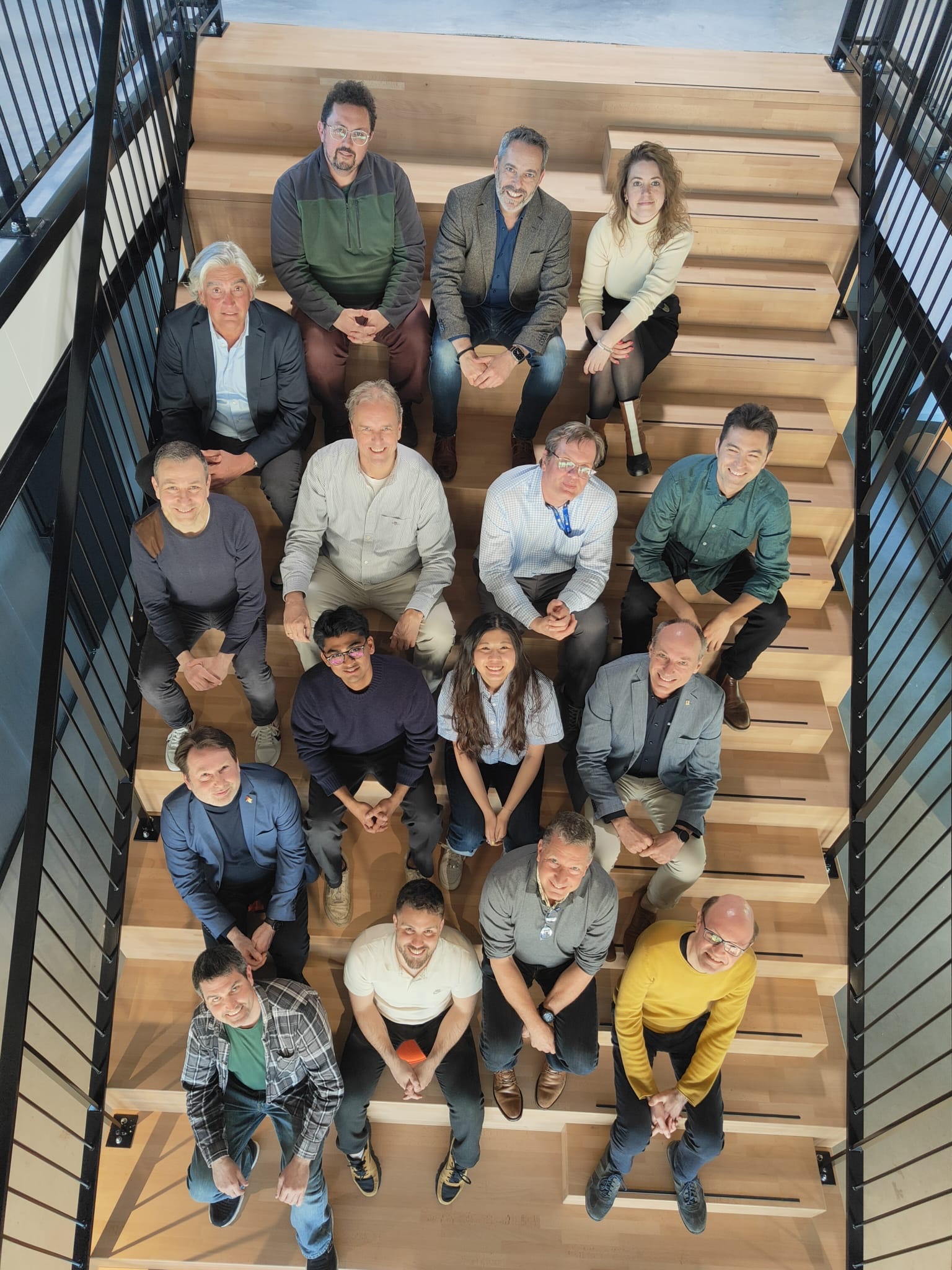
The session also linked the project to institutional needs. The discussion moved beyond scientific interest to consider practical use: a Dutch-hosted satellite data catalogue with improved handling of uncertainty, stronger debris risk models, and clearer support for future regulation and operations in space. This framed the project in terms of its potential role within Europe’s space system.
ESA Phi-Lab NL used this format to combine technical depth with practical relevance. The session allowed for rigorous critique while helping to clarify where the project could develop further and what role it could play in addressing real-world challenges.